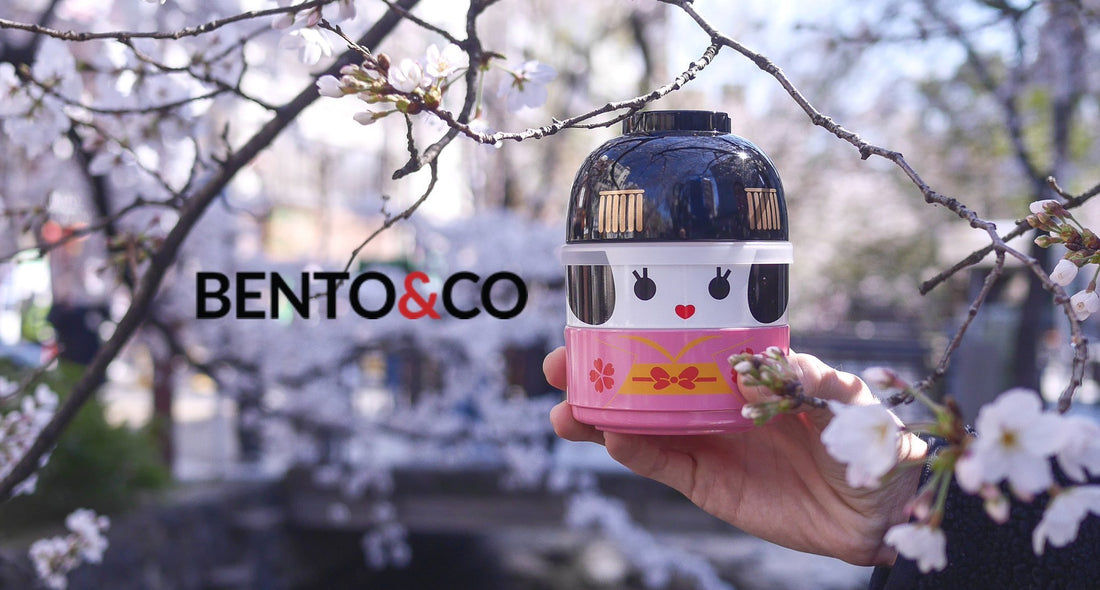
Elegir el material adecuado para tu bento puede transformar tu rutina de almuerzo, ya sea que priorices el respeto al medio ambiente, la durabilidad o la ligereza. Cada material ofrece ventajas únicas, así que exploremos cuál se adapta mejor a tu estilo de vida.
1. Cajas bento de plástico sin BPA
Las cajas bento de plástico libres de BPA son una opción popular por su versatilidad y accesibilidad.
Perfectas para quienes se inician en el bento o buscan una opción económica, estas cajas vienen en una gran variedad de colores y diseños divertidos. Son especialmente ideales para familias con niños, ya que su ligereza las hace fáciles de manejar.
Si bien es posible que no duren toda la vida, su asequibilidad y conveniencia los convierten en un elemento básico para el uso diario.
Ventajas :
- Ligero y fácil de transportar, perfecto para niños y adultos en movimiento.
- Asequible y disponible en una amplia gama de colores y diseños.
- Apto para lavavajillas y requiere poco mantenimiento.
Contras :
- Menos duradero que el metal o la madera, puede rayarse o mancharse con el tiempo.
- Puede absorber olores si no se limpia adecuadamente.
👤 Ideal para : familias, estudiantes y principiantes del bento que aman la variedad y los diseños divertidos.


2. Cajas bento de acero inoxidable/aluminio
Si la durabilidad y la sostenibilidad son sus principales prioridades, las cajas bento de acero inoxidable o aluminio son una excelente inversión.
Diseñadas para durar, estas cajas son resistentes al óxido y a las abolladuras, lo que las hace ideales para el uso diario. También son excelentes para mantener tus comidas a la temperatura ideal, ya sea que prepares un almuerzo caliente para la oficina o un picnic frío.
Si bien pueden ser más pesados y costosos, sus beneficios a largo plazo los convierten en los favoritos entre los profesionales y los usuarios conscientes del medio ambiente.
Ventajas :
- Altamente duradero y resistente al óxido y abolladuras.
- Ecológico y reciclable, ideal para uso a largo plazo.
- Mantiene la comida caliente o fría durante horas, ideal para almuerzos de oficina o picnics.
Contras :
- Más pesado que el plástico o el bambú, no es ideal para niños pequeños.
- Precio más alto en comparación con las opciones de plástico.
👤 Ideal para : profesionales, viajeros y cualquiera que busque una inversión para toda la vida.


3. Cajas bento de madera
Las cajas bento de madera, como la tradicional Magewappa o las exclusivas cajas bento Miyama , aportan un toque de artesanía japonesa a la hora de la comida.
Fabricados con materiales naturales, no solo son hermosos, sino también naturalmente antibacterianos. Su diseño ligero pero resistente los hace muy cómodos de usar, aunque requieren un poco más de cuidado que otros materiales.
Si aprecia la calidad artesanal y la conexión con la naturaleza, la madera es una opción atemporal.
Ventajas :
- Sus propiedades antibacterianas naturales lo hacen seguro e higiénico.
- La artesanía japonesa tradicional y única añade elegancia.
- Ligero pero resistente, con un tacto cálido y orgánico.
Contras :
- Requiere un cuidado especial (lavar solo a mano, evitar remojar).
- No apto para microondas; mejor para comidas frías o a temperatura ambiente.
👤 Ideal para : amantes de la cultura japonesa, usuarios con conciencia ecológica y aquellos que aprecian los productos artesanales.


4. Cajas bento de bambú
Las cajas bento de bambú son la opción predilecta para los ecologistas y minimalistas. Al ser uno de los materiales más sostenibles, el bambú es ligero y naturalmente antibacteriano.
Sus diseños elegantes y modernos se adaptan a la perfección a cualquier estilo de vida, ya sea para ir a la oficina o para una escapada de fin de semana. Si bien el bambú puede no ser tan resistente a la humedad como el metal, su atractivo ecológico y su estilo elegante lo convierten en una opción destacada para quienes priorizan el planeta.
Ventajas :
- Sostenible y biodegradable, perfecto para estilos de vida ecológicos.
- Ligero y naturalmente antibacteriano.
- Diseños modernos y minimalistas que se adaptan a cualquier estética.
Contras :
- Menos resistente a la humedad; puede deformarse si se expone al agua durante períodos prolongados.
- No es tan duradero como el metal para un uso intensivo diario.
👤 Ideal para : ecologistas, minimalistas y quienes prefieren materiales naturales. 📦


Conclusión: Hay un material para cada estilo de vida
Sea cual sea tu estilo de vida, hay un material para bento perfecto para ti. Considera tus necesidades diarias, ya sea durabilidad, ecología o estilo, y explora nuestra colección para encontrar la opción ideal.