As winter fades and plum blossoms begin to bloom, Japan welcomes Hina Matsuri, or Girls’ Day, on March 3rd. This cherished festival celebrates the health, happiness, and growth of young girls, while honoring Japan’s rich cultural heritage.
At its heart, Hina Matsuri is a visual and culinary feast: families display ornate hina dolls (Hina Ningyô) dressed in Heian-period court robes, and enjoy seasonal treats like hina-arare (colorful rice crackers) and chirashi-zushi (scattered sushi).
But you don’t need a full set of hina dolls to join the celebration! Whether you’re in Japan or abroad, you can bring the spirit of Hina Matsuri into your home with creative decorations, traditional foods, and symbolic alternatives—like our handcrafted Kokeshi dolls and Kokeshi-inspired bento boxes.
Let’s explore the history, traditions, and modern ways to celebrate this joyful festival.

What Is Hina Matsuri? History & Origins
A Festival Rooted in Ancient Traditions
Hina Matsuri is one of Japan’s five seasonal festivals (gosekku), with origins tracing back to ancient China. Introduced to Japan during the Nara period (710–794), it was originally called Momo no Sekku (Peach Festival), a time to ward off evil spirits and pray for good health.
By the Heian period (794–1185), aristocratic families played with paper dolls (hina-asobi), believing they could absorb misfortune. The festival took its modern form in the Edo period (1603–1868), when elaborate hina dolls became the centerpiece of celebrations, symbolizing the imperial court and the hope for girls’ bright futures.
Symbolism and Superstitions
- Hina Dolls (Hina Ningyô): They represent the Emperor, Empress, attendants, and musicians of the Heian court. Displayed on a red-cloth-covered tiered platform (hinadan), they are believed to protect girls from illness and bad luck.
- Timing Matters: Dolls must be put away by March 4th—leaving them out longer is said to delay a daughter’s marriage! This tradition also has a practical side: avoiding the humid rainy season that follows.
- Regional Variations: In Kyoto, dolls may hold a shimadai (decorative platform), while in Kanto, a sanpō (sake table) is common. Some regions still practice nagashi-bina, floating paper dolls down rivers to carry away impurities.
How Is Hina Matsuri Celebrated in Japan?

Decorations: The Heart of the Festival
Families set up hinadan (doll platforms) in their homes, often passed down as heirlooms. A full set includes:
- Top tier: Emperor and Empress.
- Second tier: Three court ladies.
- Third tier: Five musicians.
- Lower tiers: Ministers, miniature furniture, and tools like oxcarts and lanterns.
Traditional Foods & Their Meanings
- Hina-arare: Sweet, colorful rice crackers symbolizing purity and the four seasons.
- Hishi-mochi: Diamond-shaped rice cakes in pink (peach blossoms), white (snow), and green (new growth).
- Chirashi-zushi: Scattered sushi with ingredients like shrimp (longevity), lotus root (foresight), and eggs (fertility).
- Hamaguri soup: Clam soup, as the matched shells symbolize a harmonious marriage.
Public Celebrations & Events
- Katsuura Big Hina Matsuri (Chiba): Over 30,000 dolls displayed on stone steps leading to Tomisaki Shrine.
- Kyoto’s Shimogamo Shrine: Nagashi-bina ceremonies where dolls float down the river.
- Tokyo’s Meguro Gajoen: A 100-step staircase adorned with vintage dolls.
Common Questions About Hina Matsuri
Why March 3rd?
The date aligns with the lunar calendar’s third month, a time of peach blossoms (symbolizing renewal) and the start of spring.
What If I Don’t Have Hina Dolls?
No problem! Use alternatives like:
- Kokeshi dolls: Our wooden Kokeshi dolls are a charming substitute, hand-painted in traditional styles.
- Origami dolls: Fold paper dolls with your kids or friends for a DIY touch.
- Drawings or prints: Display artwork of hina dolls or peach blossoms.
Can I Celebrate Without Children?
Absolutely! Many Japanese enjoy Hina Matsuri as a cultural appreciation day, sharing festive foods with friends or decorating their homes with spring motifs.
Where Can I See Hina Dolls in Japan?
- Kyoto: Shimogamo Shrine for nagashi-bina.
- Tokyo: Hotel Gajoen for a luxurious doll display.
- Chiba: Katsuura Big Hina Matsuri for a massive outdoor exhibition.
How to Celebrate Hina Matsuri at Home

Step 1: Create a Mini-Hinadan
- Use shelves, boxes, or a fabric-covered table as your platform.
- Arrange Kokeshi dolls, origami dolls, or even stuffed animals as stand-ins for hina dolls.
- Add peach blossoms (real or paper) and lanterns for a festive touch.
Step 2: Prepare Traditional Foods
- Hina-arare: Buy pre-made crackers or make your own with puffed rice and food coloring.
- Chirashi-zushi: Top sushi rice with shrimp, eggs, and veggies for a colorful dish. Recipe over here!
- Hishi-mochi: Use silicon molds to shape rice cakes, or buy them at an Asian grocery store.
Step 3: Host a Themed Gathering
- Invite friends or family for a Hina Matsuri tea party.
- Share the story of the festival and its traditions.
- Try a craft activity, like painting Kokeshi dolls or decorating bento boxes.
Bring Hina Matsuri Joy to Your Home with Bento&co
Kokeshi Dolls: A Modern Twist on Tradition
Our Kokeshi dolls are handcrafted in Japan, each with a unique expression and vibrant colors. Perfect for decorating your hinadan or shelves, gifting to a daughter, niece, or friend for Girls’ Day, or simply adding a touch of Japanese charm to any space.
Kokeshi Bento Boxes: Celebrate with Style
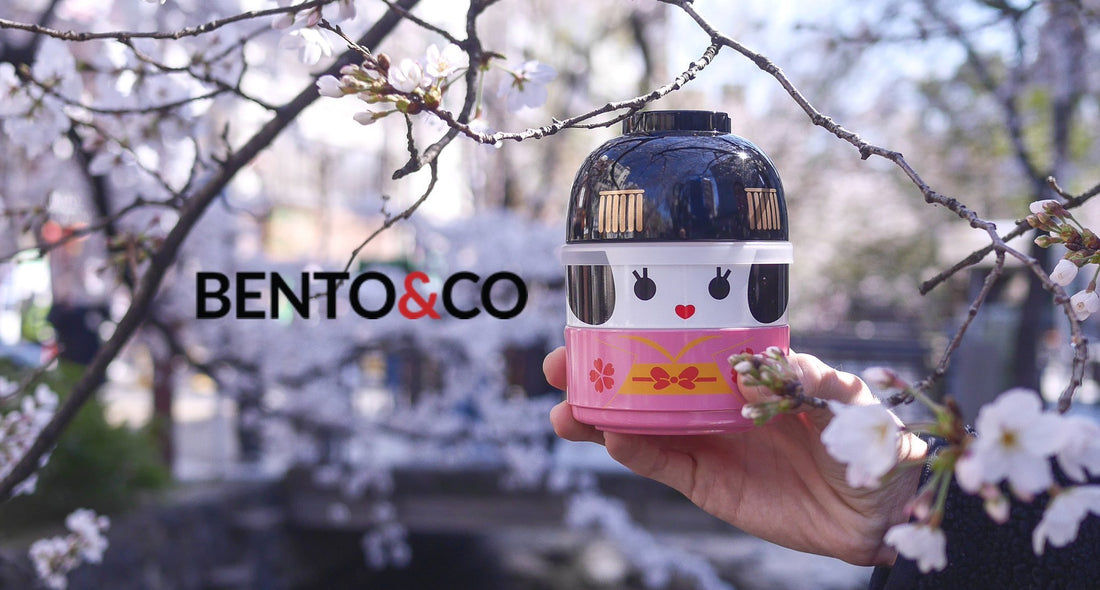
Pair your dolls with our Kokeshi bento boxes, featuring whimsical designs inspired by traditional dolls. Ideal for packing chirashi-zushi or hina-arare for a festive lunch, a thoughtful gift for bento lovers or collectors, and combining functionality and artistry in your daily routine.
Why Choose Bento&co?
- Eco-friendly: Made from sustainable plastics and wood and non-toxic paints.
- Handmade: Each piece is unique, reflecting Japan’s artisan heritage.
- Versatile: Use year-round for lunches, storage, or decor.
Conclusion: A Festival of Hope and Tradition
Hina Matsuri is more than a celebration—it’s a reminder of Japan’s cultural richness, the importance of family, and the joy of welcoming spring.
Whether you display heirloom dolls, craft origami figures, or enjoy a chirashi-zushi feast, the festival offers a chance to connect with tradition and create lasting memories.
Ready to celebrate Hina Matsuri with a touch of Japanese charm? Explore our doll-inspired items to bring the spirit of Girls’ Day to your home!