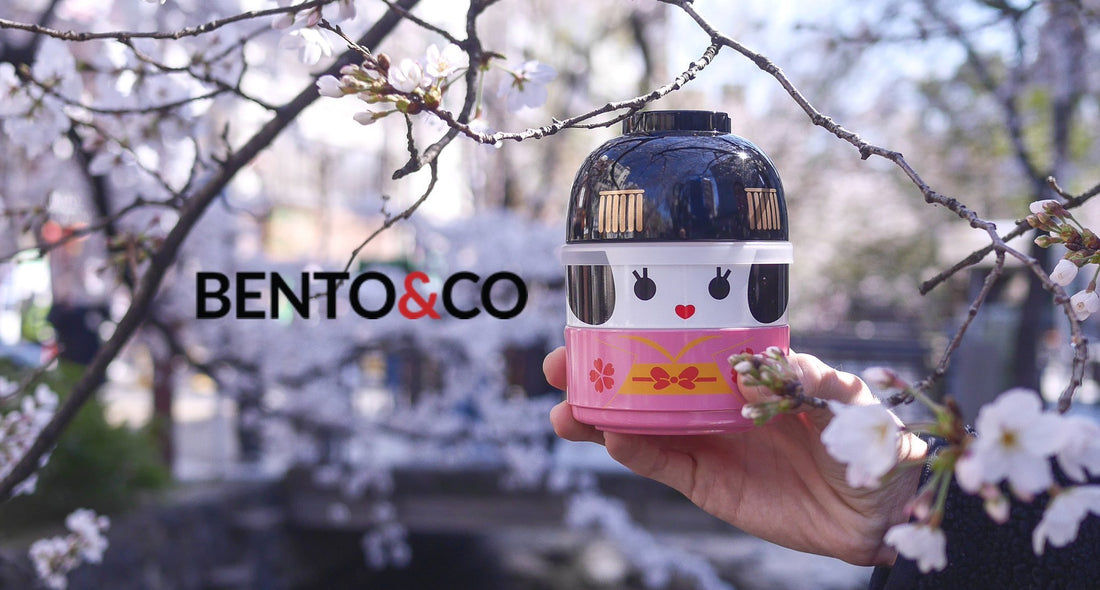
You just bought your first bento box and you want to cherish it. With the right care, a high-quality Japanese lunch box can last for years, so it’s best to get into the right habits early on.
Whether you’ve chosen traditional wood or modern BPA-free plastic, here are four essential rules to ensure you enjoy your box for many years to come.
Rule #1: Understand the specificities of your bento box

Each bento box has its own unique needs. It is important to understand how to best care for the material you chose. For instance, wooden bento boxes can only be handwashed, while most plastic bento boxes can go into the dishwasher. Additionally, while some boxes are microwave safe, the inner transparent lid never is.
Here is a quick breakdown by material to help you understand how to clean a bento box properly:
|
Material |
Care Specificities |
|
BPA-free Plastic |
Usually microwave safe (without the lids!) and dishwasher safe. Hand wash recommended for hand-painted lids to preserve the design. |
|
Stainless Steel |
Not microwave safe, but can be dishwasher safe. Highly resistant to stains and odors. |
|
Wood |
Not microwave nor dishwasher safe. This breathable material is porous and can warp or crack if it experiences harsh temperature shifts or excess humidity. |
|
Bamboo |
Not microwave nor dishwasher safe. Like wood, it is porous and fears humidity. |
Own a wooden or bamboo bento box? Check out our complete wooden bento care guide.
Rule #2: Bento boxes are not meant for long-term storage
It’s tempting to leave leftovers in your box and put it in the fridge after a long day at the office, or to use it as a storage container at home when all your other containers are dirty.
However, leaving food for a prolonged period in your bento exposes the material to harm: acidic foods like pickles might cause discoloration, while others might leave stubborn stains or smells.
To keep your box in top shape, adopt these simple habits:
-
Choose the right size: Pick a box that fits your meal perfectly to avoid overpacking.
-
Pack fresh: Prepare your lunch in the morning before leaving.
-
Rinse immediately: Once you’re done eating, rinse or wipe your box clean to prevent food from sitting.
Rule #3: Bento boxes do not like very high temperatures

This rule applies to both food preparation and cleaning.
When packing your lunch container, never put in piping hot food—even with plastic containers. Always let your food cool down to room temperature before packing. Not only will you avoid burning yourself, but this also prevents "vacuum sealing" (which makes the box impossible to open) and stops condensation from making your meal soggy.
What about microwave safe bento boxes? Just because the plastic is heat resistant doesn't mean you should "nuke" it. When warming up food:
-
Always use a lower setting (500-600W).
-
Warm up for a maximum of 2 minutes.
-
Avoid very high settings, as they can cause the plastic to warp or weaken over time.
Rule #4: Adopt a gentle care routine
No matter the material, handling your box with care ensures longevity. While wood and bamboo require the most delicate touch, bento box models made of plastic also benefit from some love.
-
Prefer hand washing: Whenever possible, hand wash your box, even if it is labeled dishwasher safe. Dishwasher detergents and temperatures vary globally and may be harsher than those in Japan.
-
Protect the design: If your box features a beautiful hand-painted design, hand washing is the best way to preserve it.
-
Use the right tools: Use a soft sponge, lukewarm water, and gentle soap. If you aren't sure which soap to use, formulas branded as hypoallergenic are a safe bet.
Conclusion: A companion for years to come
Making your bento last is all about adopting the right habits early on. It’s not about following rigid rules; it’s about caring for your items so they can serve you for many delicious lunches to come.
Ready to choose your next bento?