

Think you know all about Valentine’s Day? In Japan, this holiday has a sweet cultural twist: On February 14th, women give chocolates to the men in their lives, while March 14th (White Day) is when men reciprocate—often with gifts 2-3 times more expensive.
Born in the 1950s, this tradition has evolved into a celebration of love, friendship, and even self-indulgence. In 2026, 65% of Japanese people plan to buy chocolates for themselves, making it a festival of self-love too!
Let’s explore this unique celebration and how you can add a Japanese twist to your Valentine’s Day this year.

The Tradition of Chocolate Gifting
Introduced to Japan in the 1950s, Valentine’s Day quickly became a cultural phenomenon. Japan’s elaborate gift-giving culture embraced the holiday, turning it into a nationwide celebration of affection—and a boon for chocolate companies.

Why Do Women Offer Chocolates in Japan?
In the 1950s, women rarely confessed their feelings to men, making kokuhaku (love confessions) somewhat taboo. Chocolate companies saw an opportunity: They encouraged women to express their love through chocolates, creating a day where it was socially acceptable to take a romantic risk.
This marketing genius not only boosted sales but also reshaped cultural norms around love and gift-giving. Now, it is estimated that a quarter of annual profits for Japanese chocolate companies comes from February sales!
The Different Types of Valentine’s Chocolates
Honmei Choco: The Chocolate of Love
- Handmade or luxury chocolates for romantic partners.
- Often paired with a love confession.
Giri Choco: The Chocolate of Obligation
- Simple chocolates for colleagues or friends.
- A cultural norm, with no feelings or strings attached, though declining in popularity.
In recent years, some companies have actually banned the tradition of Giri Choco for the stress and also misinterpreted signals that can result in the workplace!
Tomo-Choco & Jibun-Choco: Friendship & Self-Love
- Tomo-choco: Chocolates exchanged between friends, because love can also be platonic.
- Jibun-choco: The latest trend of buying chocolates for yourself, because the most important kind of love is self-love.
Last but not least are Gyaku-choco. A recent trend, it describes the rising popularity of men gifting chocolates on Valentine’s Day .

White Day: The Men’s Turn
Thinking that this all sounds like an unfair burden on women? Well, the consolation is that exactly one month later, on March 14th, men reciprocate with gifts for women! Since its beginning it has grown into quite the holiday—on par or even bigger than the day it responds to.
Understanding the Dynamics of Gift Giving in Japan
Let’s start with a quick reminder about Japanese culture that some of you might already know. Since feudal times, the concept of mutual obligation has been deeply rooted in modern Japanese society. This has led to a complex custom of gift-giving closely linked to social duty and status.
That’s why you’ll often see people exchanging presents at almost every event throughout the year, whether it’s a wedding ceremony or a funeral. Unsurprisingly, this culture has influenced how Japanese people celebrate Valentine’s Day, leading to the creation of White Day exactly one month later.
The Origin of White Day
Just like Valentine’s Day, White Day was also started by savvy Japanese manufacturers who saw it as another opportunity to profit. The Japanese confectionery industry first launched the holiday in 1978, following an earlier attempt by a marshmallow manufacturer in 1977—which may have inspired its "White" name.
Regardless of why it’s called White Day, white has become the holiday’s signature color—gifts, chocolates, and wrappings are all expected to be white. Originally, men were encouraged to buy marshmallows as a gift, with the white color symbolizing pure, young love. Today, however, marshmallows are considered the least desirable option, showing little interest in the recipient, while chocolates and cookies are now preferred.

What Do You Do On White Day?
Giving Back Threefold
This is the big "answer day"—when men reciprocate the chocolates women gave them on Valentine’s Day, often with even sweeter and more valuable gifts! A rule of thumb is that the gift should be 2 to 3 times the value of what was received, so White Day can get quite pricey for men.
However, don’t worry—your bank account won’t be completely drained. For colleagues who gave you giri-choco (obligation chocolate), you can simply return a gift of equal value.
And, of course, for those who skipped Valentine’s Day or indulged in jibun-choco (buying chocolates for yourself), White Day is the perfect excuse to treat yourself to more delicious Japanese sweets! Why miss out on a good opportunity to enjoy some tasty Japanese treats?
What Chocolate to Gift?
Men’s return gifts typically fall into two categories: responses to giri-choco and responses to honmei-choco.
For Giri Choco, a more expensive white chocolate will do. For Honmei Choco, choosing the right gift can be trickier. Here’s our guide:
- Do you just want to be friends? White chocolate!
- Do you like her? Brown chocolate!
- Do you love her? Homemade chocolate cookies are the way to go!

How to Celebrate Valentine’s The Japanese Way
Celebrate Valentine’s at Home With The Right Tools
At Bento&co, we want to make sure you can treat yourself and your loved ones this Valentine’s Day. Here’s our simple formula for a romantic celebration:
- Choose your chocolate: Honmei-choco for love, giri-choco for friends.
- Wrap it beautifully: Use a furoshiki for an elegant touch.
- Prepare a bento: Pack a romantic lunch in their favorite bento box.
- Add a sweet note: Include chocolates for extra joy.
Bento&co’s Valentine’s Day Bundles
Skip the hassle of finding the perfect gift by choosing one of our premade Valentine’s bento bundles. Choose from three different styles, fill it with their favorite food for your date, and—because sharing is caring—why not get a bundle for yourself too?
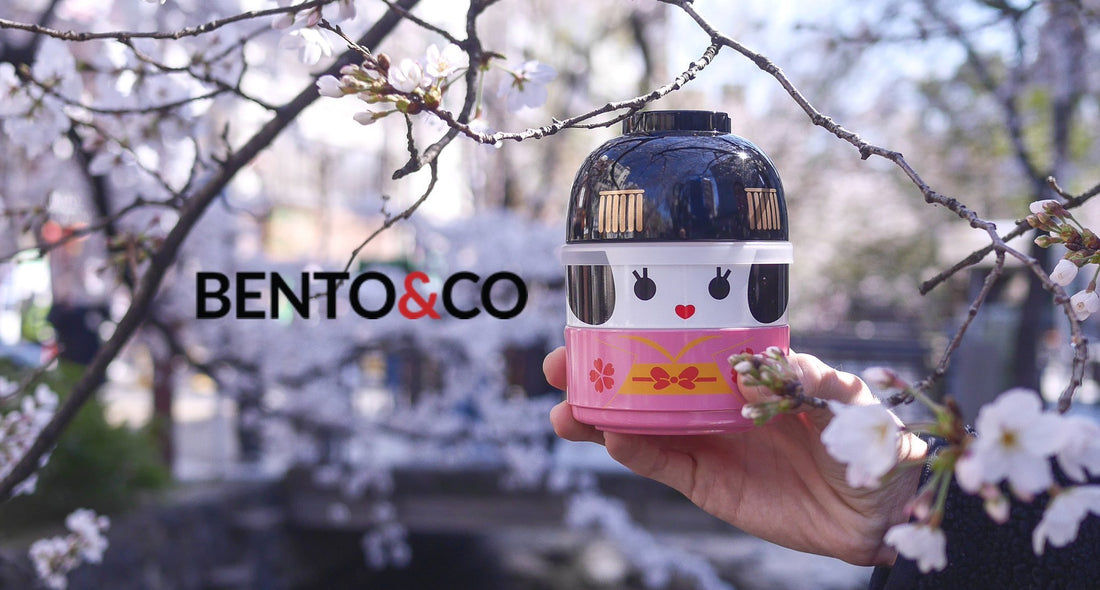
- Kokeshi Bento Bundle — A romantic Japanese-inspired gift set perfect for celebrating love with tradition and style.
- Wafu Bento Bundle — A beautifully patterned matching set that’s a thoughtful gift for sharing luck, health, and love.
- Minimalist Bento Bundle — A sleek, modern gift set ideal for couples who cherish simplicity and timeless romance.

FAQs
Why do women give chocolates in Japan? It’s a 1950s marketing strategy to boost chocolate sales that has now become a cultural staple.
What’s the difference between honmei-choco and giri-choco? Honmei-choco is for love; giri-choco is for obligation.
How to celebrate at home? Use our Valentine’s Day Bundles for a romantic bento picnic!
Ready to Celebrate Love?
Shop our Valentine’s Day Collection and make this year unforgettable for you and your loved ones.
Bento&co’s selection for Valentine’s
https://en.bentoandco.com/collections/valentines-offer




1 Comment
Nice to know ty